
Documentary
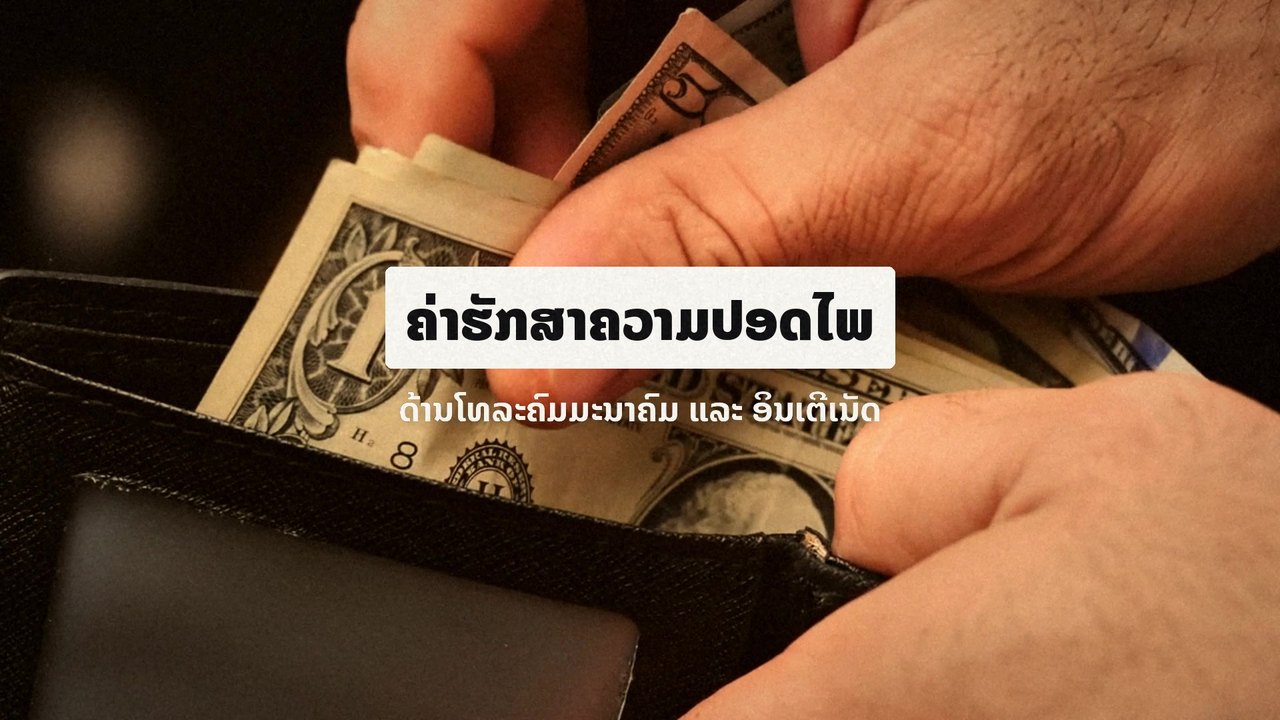
ຄ່າຮັກສາຄວາມປອດໄພ 3,000 ກີບ/ເດືອນ: ຈ່າຍທຸກເດືອນ ເປັນຫຍັງຍັງຖືກໂທມາ?
The 3,000 kip/month security fee: we pay every month — why do the calls still come?

01 Articles
02
Featured clip
The 3,000 kip/month security fee: we pay every month — why do the calls still come?
Every 020 and 030 number has paid a 3,000 kip security fee each month since 1 March 2024. This video looks at where the 3,000 kip fee comes from, and what the ministry says it is used for.
Presented by ຂັບເຄື່ອນດ້ວຍຄີບອດ (@powerbykeyboard)
Sources cited in the film are listed in the YouTube description.
Documentary
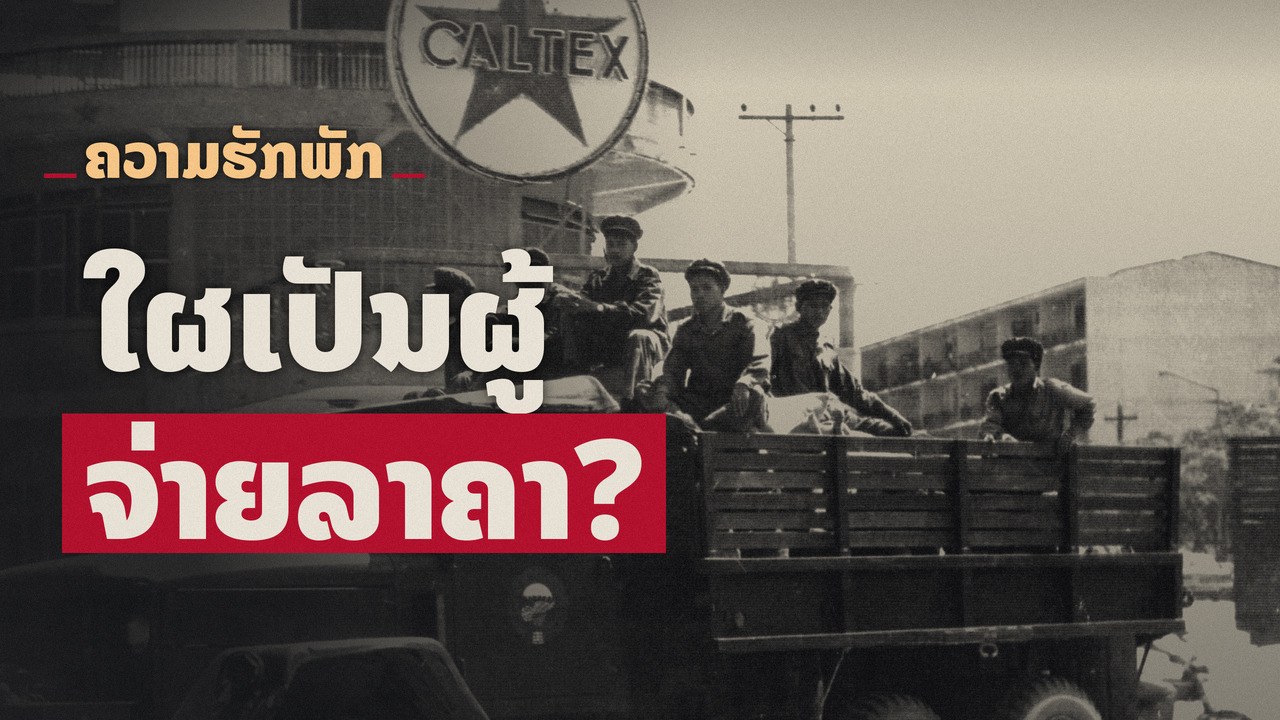
Party Loyalty: Who Pays the Price? | 51 Years of Rule in Laos
The party that has ruled Laos for 51 years was once a secret for 20 years. How can you love something you did not know existed?
This documentary shows how party loyalty was cultivated from 22 March 1955 to the 2055 vision: political education, mass organisations, statues and the media. And it asks who pays the price — from the seminar camps, the 359,930 people who crossed the Mekong (UNHCR, 1975–1995), the events of 26 October 1999, the disappearance of Sombath Somphone in 2012, through to Decree 327.
What is the difference between a love you are taught and a love you choose for yourself? What do you think? Leave a comment.
Presented by ຂັບເຄື່ອນດ້ວຍຄີບອດ (@powerbykeyboard)
Sources cited in the film are listed in the YouTube description.
Documentary
The 3,000 kip/month security fee: we pay every month — why do the calls still come?
Documentary
Party Loyalty: Who Pays the Price? | 51 Years of Rule in Laos
More clips coming.
03 About
We started ຂັບເຄື່ອນດ້ວຍຄີບອດ — Power by Keyboard — on 22 March 2022, during a difficult stretch of Covid and the Lao economy, when many Lao people were beginning to speak out about the country's problems online. We launched the hashtag #ສຽງຂອງພວກເຮົາ, and it drew wide interest among a new generation of young people. At the same time there was opposition, and well-meaning warnings that we shouldn't speak up because it could be dangerous. Some schools even told students not to share our posts.
These days we tell stories of Lao politics and history, in both articles and clips. But what people like most are still the memes and sharp jokes that take the country's affairs and spin them into something we can laugh at together — because some things, if you don't laugh, you'd probably have to cry.
We believe every Lao person has the right to know the story of their own country, and the right to ask questions.
04 Channels